A Beginner Friendly Guide to Personal Finance Apps
Do you ever feel like your money just disappears into thin air the moment your paycheck hits your bank account? You are certainly not alone. Many of us navigate our financial lives like a ship without a compass, hoping we eventually land somewhere stable. But what if you had a GPS for your wallet? That is exactly what personal finance apps provide. They turn the messy, stressful world of budgeting into a streamlined, digital experience that fits right in your pocket.
Why Use Personal Finance Apps Instead of Spreadsheets?
I know what you might be thinking. Why not just stick to an Excel sheet or a notebook? While those methods work for some, they often feel like a chore. Imagine trying to balance your checkbook while sitting on a crowded bus; it is simply not practical. Apps leverage technology to pull your data automatically. Think of it like the difference between manually mailing a letter and sending an instant message. These tools sync with your accounts, categorize your transactions, and give you a bird’s eye view of your spending patterns without you having to lift a finger.
Addressing Security: Are These Apps Safe?
Security is the number one worry for most people. Giving an app access to your bank details feels like handing over the keys to your kingdom. The good news is that most reputable finance apps use bank level encryption. This is the same level of security used by major financial institutions. They act more like a read only mirror, meaning they can see your data but generally cannot move your money around. It is always wise to use two factor authentication to add an extra layer of protection to your account.
Mastering the Basics: Budgeting 101
Budgeting often gets a bad rap because people think it is about restriction. In reality, it is about intentionality. A budget is simply a plan for where your money goes rather than wondering where it went. When you start with an app, you can easily allocate funds into buckets like groceries, rent, entertainment, and utilities. By seeing these limits visually, you gain the power to stop impulsive purchases before they happen.
How to Choose the Right App for Your Goals
Not every app is built for everyone. Some are designed for aggressive debt repayment, while others focus on automated savings or investment tracking. Ask yourself what your biggest struggle is. Is it overspending on takeout? Is it forgetting to pay bills on time? Look for features that solve your specific pain points. Read reviews, try the free trial versions, and do not be afraid to switch if the user interface feels too complicated.
Automating Your Spending Habits
Automation is the secret weapon of the financially savvy. When you let an app categorize your spending, you get a clear report at the end of the month. You might be shocked to see that your five dollar coffee habit is actually costing you over a thousand dollars a year. Awareness is the first step toward change. Once you see the data, you can adjust your habits with precision rather than just guessing where your money is leaking.
Tackling Debt with Smart Digital Tools
Debt is like a heavy backpack you carry everywhere. It slows you down and drains your energy. Many finance apps offer debt snowball or debt avalanche calculators. These tools show you exactly how long it will take to pay off your credit cards or loans based on your current payments. Seeing the timeline shrink as you pay down your balance provides a huge psychological boost that keeps you motivated.
Setting and Crushing Your Savings Goals
Saving money for the sake of saving is hard. Saving money for a specific goal is exciting. Whether you are aiming for a dream vacation, an emergency fund, or a new laptop, apps allow you to create visual trackers. It feels like filling up a progress bar in a video game. Every dollar you tuck away brings you closer to the next level of your goal.
Getting Started with Investment Tracking
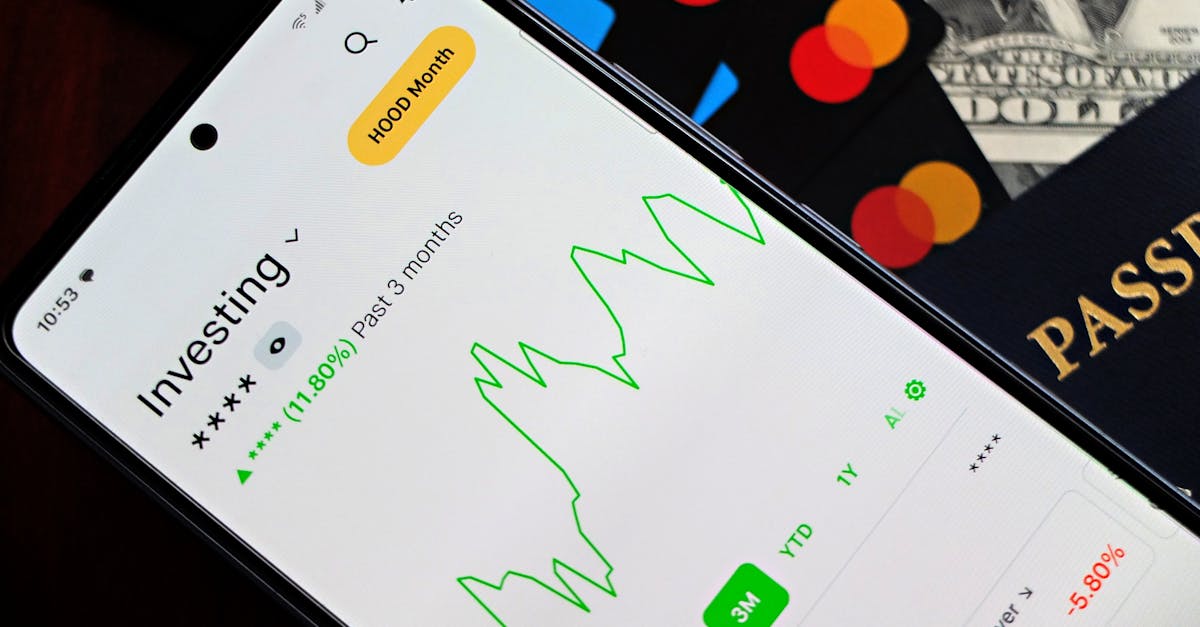
Investing used to be something only people in suits on Wall Street did. Today, many apps integrate investment tracking so you can see your net worth grow over time. While these apps may not replace a professional financial advisor, they are excellent for monitoring your portfolio diversification and keeping an eye on your long term growth. It is a great way to stay engaged with your financial future without getting overwhelmed by jargon.
Identifying and Cutting Unnecessary Subscriptions
We all have those subscriptions we forgot about three years ago. Finance apps act like digital bloodhounds, sniffing out recurring charges that are draining your bank account. If you find a streaming service you have not watched in six months, click cancel. That is money immediately back in your pocket for more important things.
Monitoring Your Net Worth Over Time
Your net worth is the ultimate scorecard of your financial health. It is simply your assets minus your liabilities. By tracking this number over several years, you see the bigger picture. Even if your monthly budget fluctuates, seeing your overall trend move upward provides the confidence you need to keep going.
Leveling Up Your Financial Literacy
Finance apps often come with built in blogs, tutorials, and tips. Think of the app not just as a calculator, but as a mini personal finance coach. By interacting with the content provided, you learn the language of money. You start to understand compound interest, inflation, and the importance of credit scores in a way that feels natural rather than like a textbook.
Common Mistakes Beginners Make with Finance Apps
The most common mistake is setting up the app and then ignoring it. An app is only as good as the data it has. You need to check in periodically, categorize any transactions the app missed, and adjust your goals if your life situation changes. Also, avoid the trap of comparing your financial journey to others. Focus on your own progress and stay consistent.
Why Consistency is the Secret Sauce
Building wealth is a marathon, not a sprint. You will not become a millionaire overnight, but if you look at your finance app for five minutes every few days, you will build habits that last a lifetime. Consistency turns small, boring actions into massive results over the long haul. Keep your eyes on the prize and do not get discouraged by a bad month.
Conclusion: Your Financial Future Starts Today
Taking control of your money does not have to be a nightmare of spreadsheets and stress. By choosing the right personal finance app, you can automate the boring stuff, identify where your money is going, and start building the life you have always wanted. The technology is here to help you, but the intention must come from you. Start small, stay consistent, and watch how your financial life transforms over time. You are the architect of your own future, and it is time to start building.
Frequently Asked Questions
1. Do these apps work for people with irregular income? Yes, many apps have features that allow you to plan around variable income, helping you set aside money during good months to cover your needs during tighter ones.
2. Will an app help me if I have a lot of debt? Absolutely. Apps are often more helpful for people in debt because they highlight exactly where you can cut back to free up more cash for debt repayment.
3. Do I need to be tech savvy to use these? Not at all. Most modern finance apps are designed with very clean, intuitive interfaces that anyone can learn in just a few minutes.
4. What happens if I make a mistake in my budget? That is perfectly fine! The beauty of these apps is that they are flexible. You can always edit your categories or adjust your budget targets at any time.
5. Is it really necessary to link my bank account? While linking your accounts provides the best automated experience, many apps also allow you to manually track your spending if you prefer that level of privacy.